
Medical Waste
Sharps on the Shore: A Reminder of Why Proper Sharps and Medical Waste Management Matters
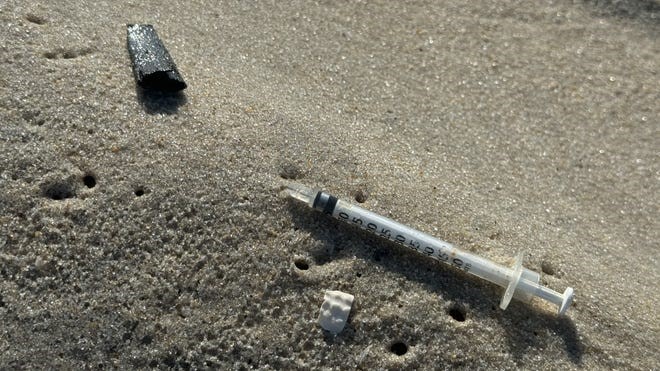
A recent incident at Manasquan Beach in New Jersey provided a visible reminder of what can happen when used sharps do not follow a proper disposal path. Approximately 60 syringes were discovered along the shoreline, prompting officials to temporarily prohibit swimming while the area was investigated and cleaned. The New Jersey Department of Environmental Protection…
Read MorePreparing for Category A Ebola Waste: Why Advance Planning Matters
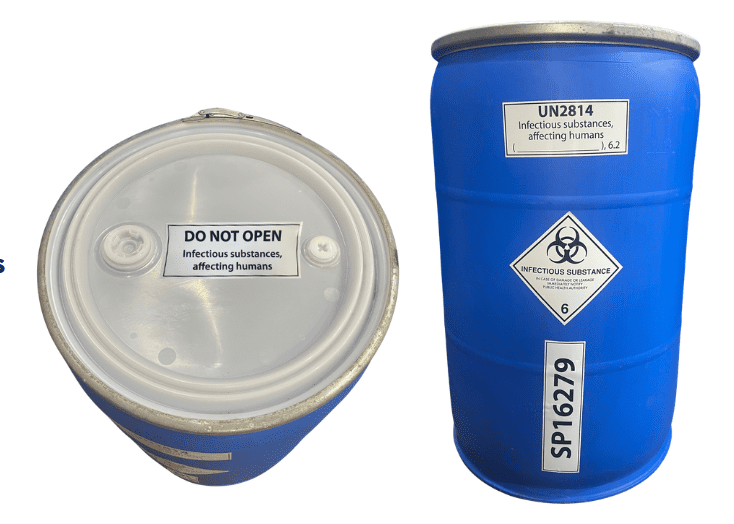
Amid an ongoing Ebola outbreak, it is more important than ever for healthcare facilities to be prepared to handle Ebola waste. According to Forbes, the Africa Centres for Disease Control and Prevention is requesting worldwide cooperation in containing the spread that has put 10 African Countries at risk thus far. Three U.S. airports have been…
Read MoreReducing Risk and Waste: The Case for Reusable Sharps Containers
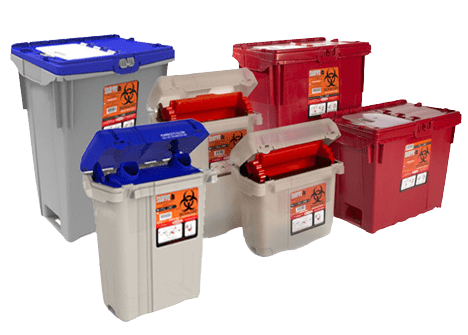
Healthcare facilities are continuously balancing safety, compliance, and cost—often while managing increasing regulatory pressure and operational demands. Sharps disposal sits at the center of all three. When not managed properly, it creates risk for staff, adds unnecessary volume to the regulated medical waste (RMW) stream, and drives avoidable costs. According to the Centers for Disease…
Read MoreThe Benefits of a Comprehensive Waste Management Program with a Single Vendor
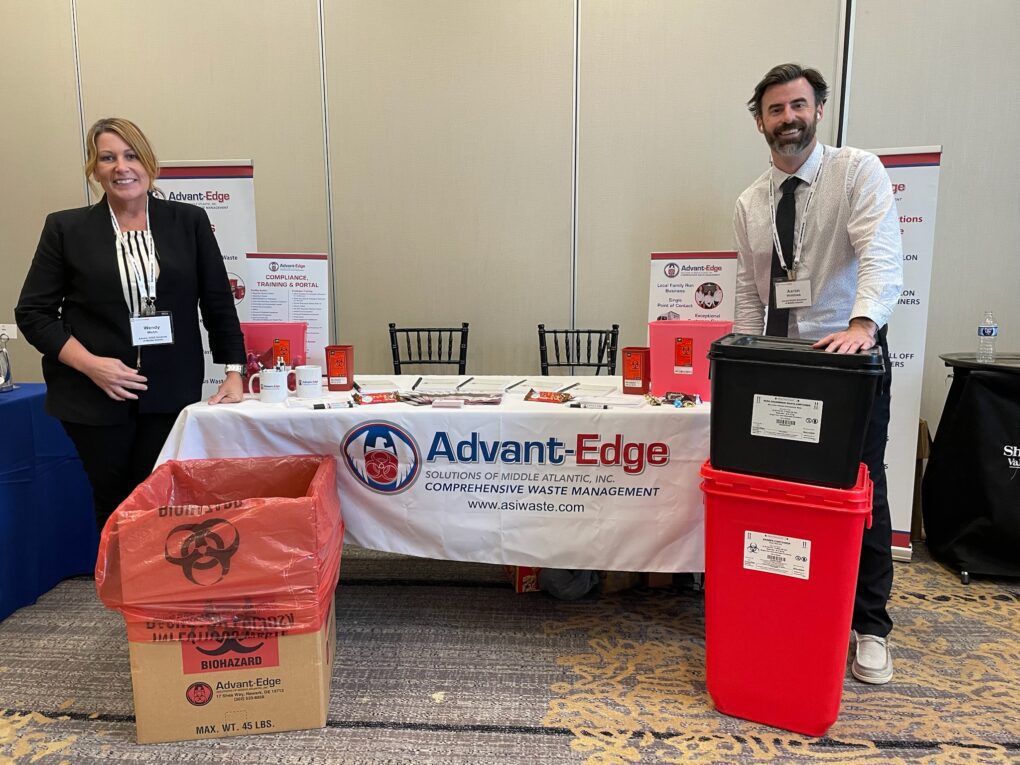
Healthcare facilities generate a wide range of waste streams every day, including regulated medical waste, sharps, hazardous waste, pharmaceutical waste, recycling, and solid waste. According to the World Health Organization, approximately 85% of healthcare waste is general waste, while the remaining 15% is considered hazardous and requires special handling and disposal procedures. Effective healthcare waste…
Read MoreControlled Substance Disposal: What Healthcare Facilities Need to Get Right

Controlled substances presents one of the most sensitive and highly regulated waste streams within healthcare environments. From hospitals and outpatient facilities to long-term care and pharmacies, proper controlled substance disposal is critical to maintaining compliance, preventing diversion, and protecting public safety. Unlike standard pharmaceutical waste, controlled substances are regulated by the Drug Enforcement Administration (DEA)…
Read MoreHospital Waste Disposal: How It Works
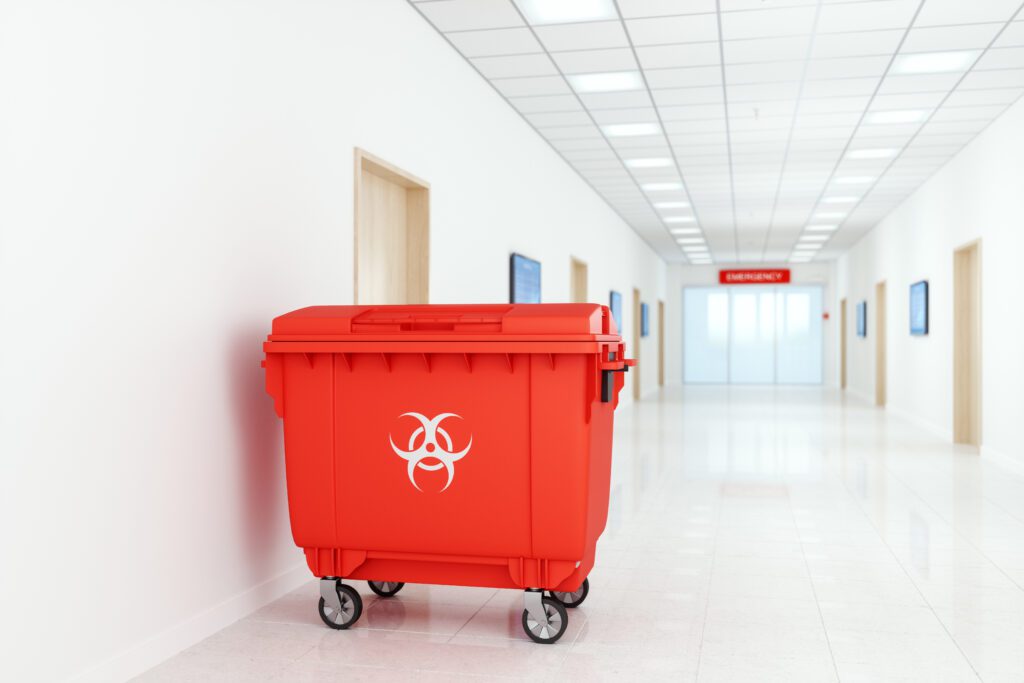
Hospital waste disposal is a highly regulated, carefully structured process designed to protect patients, staff, the public, and the environment. From the moment waste is generated in a patient room or operating suite to its final treatment and destruction, hospitals must follow strict procedures to ensure safety and compliance. If you’ve ever wondered how medical…
Read MorePharmaceutical Waste Characterization for Healthcare Facilities
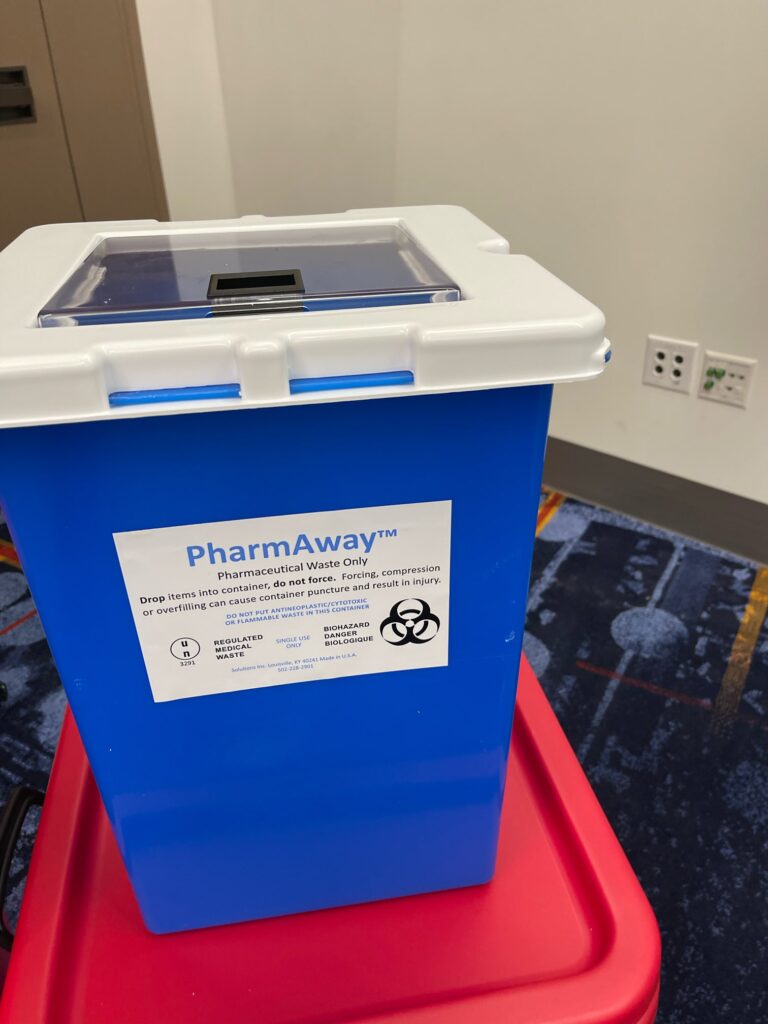
Pharmaceutical waste characterization is a critical compliance step for healthcare facilities of all sizes, from hospitals and outpatient centers to pharmacies, laboratories, and long-term care facilities. Proper characterization ensures medications and drug-related materials are correctly identified, managed, and disposed of in accordance with federal, state, and local regulations. When done correctly, this process protects staff,…
Read MoreWaste Segregation Benefits within Healthcare Facilities
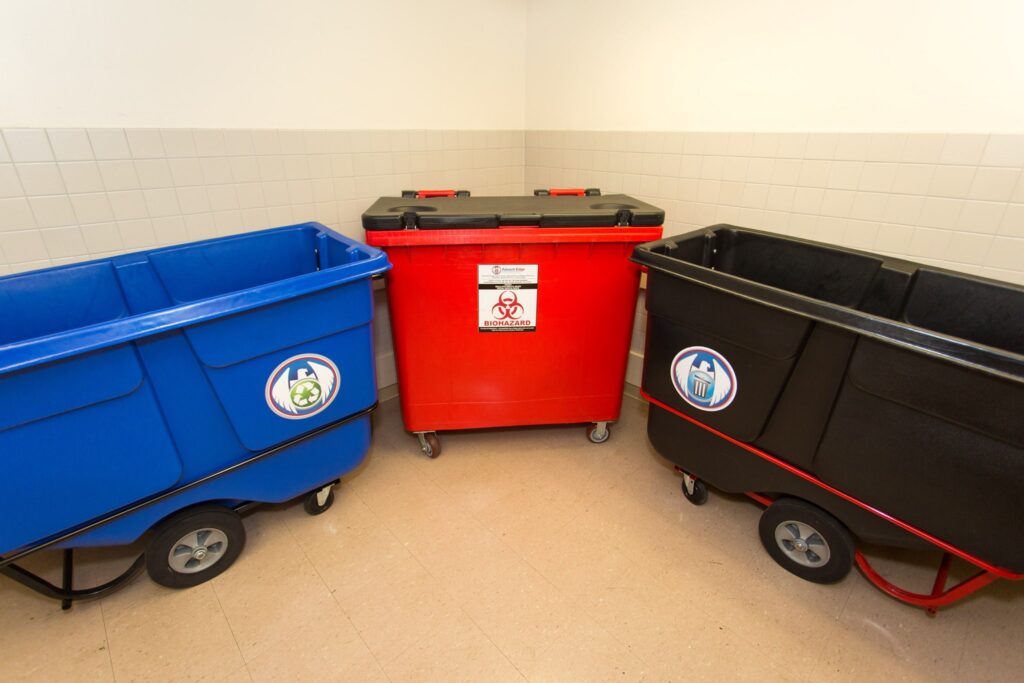
Healthcare facilities generate a wide range of waste every day—from surgical sharps to pharmaceuticals, cardboard, trash, and hazardous chemicals. Proper waste segregation, which involves ensuring that each waste stream goes into the correct container, is one of the most important steps a hospital can take to maintain compliance, protect staff, reduce costs, and improve sustainability. Yet even…
Read MoreMaryland’s Hazardous Waste Pharmaceutical Rule Now in Effect

Understanding COMAR 26.13.10.32–.49 (Subpart P Adoption) As of October 1, 2025, the Maryland Department of the Environment (MDE) officially adopted the EPA’s Subpart P (40 CFR 266) standards for hazardous waste pharmaceuticals. These new Maryland regulations represent one of the most significant revisions to pharmaceutical waste management in years, modernizing how healthcare facilities, pharmacies, and reverse distributors handle discarded or expired…
Read MoreDisposing Pharmaceutical Waste: A Guide for Healthcare Facilities
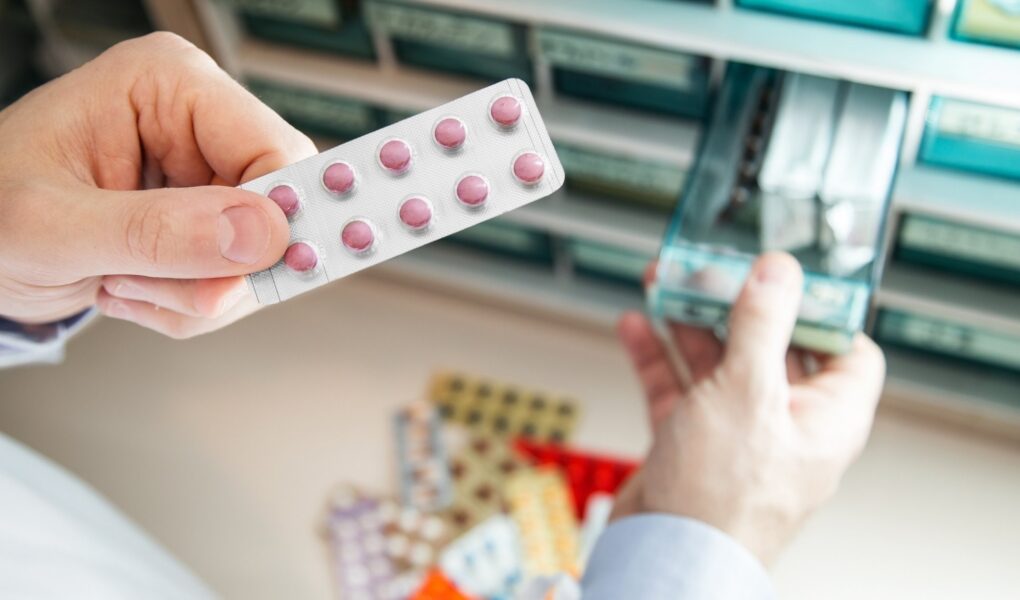
Pharmaceutical waste is generated daily in hospitals, clinics, pharmacies, laboratories, and long-term care facilities. When healthcare facilities are disposing pharmaceutical waste, it is important that they do it correctly. Improper disposal of pharmaceutical waste can lead to regulatory violations, environmental contamination, and risks to public health and worker safety. Safely disposing of pharmaceutical waste is…
Read More