Sharps on the Shore: A Reminder of Why Proper Sharps and Medical Waste Management Matters
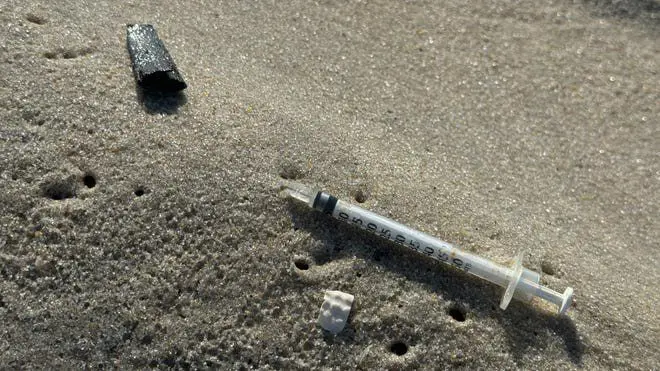
A recent incident at Manasquan Beach in New Jersey provided a visible reminder of what can happen when used sharps do not follow a proper disposal path.
Approximately 60 syringes were discovered along the shoreline, prompting officials to temporarily prohibit swimming while the area was investigated and cleaned. The New Jersey Department of Environmental Protection (NJDEP) subsequently indicated that the syringes appeared to be primarily associated with home healthcare, such as insulin injections, rather than regulated medical waste generated by hospitals or other healthcare facilities. Heavy rainfall and sewer overflows were identified as a likely pathway that carried the debris into coastal waters and eventually onto the beach.
While this incident was not attributed to a healthcare facility or regulated medical waste provider, it highlights a broader issue: needles and other sharps require responsible management regardless of where they are generated.
A Small Item Can Create a Significant Risk
Needles, syringes, lancets and other sharps are commonplace in healthcare. They are also increasingly common in homes as more patients manage diabetes and other medical conditions themselves.
Once used, however, a needle should never simply become part of an uncontrolled waste stream.
Improperly discarded sharps can create needlestick hazards for sanitation workers, waste and recycling employees, maintenance personnel and members of the public. When they escape normal waste collection altogether, they can also become an environmental and community concern.
The Manasquan incident demonstrates how something as small as a syringe can travel far beyond where it was originally discarded and ultimately affect an entire community.
Safe Sharps Disposal Begins at Home
One of the important distinctions highlighted by the Manasquan incident is the difference between residentially generated sharps and regulated medical waste generated by healthcare facilities.
Residents who self-administer medications using needles or other sharps should place them directly into an appropriate sharps container rather than disposing of loose needles in household trash, recycling bins, toilets or storm drains.
Fortunately, safe disposal options are available.
Residents can typically purchase sharps containers online or through other suppliers. Once the container is full, local collection options may be available through health departments or other approved community programs. Because programs and acceptance requirements vary, residents should contact their local health department to determine what options are available in their community.
Mail-back sharps programs offer another convenient solution. ASMAI provides sharps mail-back programs using approved containers and an established return process so that used sharps can be properly transported, treated and disposed of.
These programs can be particularly useful for residential users, remote locations and organizations that generate smaller quantities of sharps and may not require regularly scheduled pickup service.
Healthcare Facilities Have an Even Greater Responsibility
Hospitals, physician practices, laboratories, research facilities, government agencies and other regulated generators operate under specific requirements governing the management of regulated medical waste.
A properly designed program begins where the waste is generated.
Sharps and regulated medical waste must be appropriately identified, segregated and placed into the correct containers. From there, the waste must remain properly managed through storage, collection, transportation, treatment and final disposal.
That controlled process protects more than the organization generating the waste. It helps protect healthcare employees, environmental services personnel, drivers, treatment facility employees, waste handlers and the public.
The objective is to maintain control of the waste from the point of generation through final treatment and disposal.
Proper Waste Management Is More Than Compliance
Regulatory compliance is an essential component of any healthcare waste program, but responsible waste management goes beyond satisfying a regulatory requirement.
A strong program can help an organization:
- Protect employees, patients and the public from unnecessary exposure and needlestick hazards.
- Keep sharps and regulated materials out of municipal waste and recycling streams.
- Establish clear procedures for segregation, packaging and storage.
- Maintain appropriate transportation and treatment documentation.
- Identify opportunities for recycling and more sustainable waste-management practices.
- Reduce organizational and environmental risk.
Just as importantly, it creates accountability. An organization should understand what happens to its waste after it leaves the facility and have confidence in the processes used to transport, treat and ultimately dispose of or recycle it.
Creating a Responsible Path From Generation to Final Disposal
At Advant-Edge Solutions of Middle Atlantic, Inc. (ASMAI), we help healthcare organizations, research facilities, government agencies and other generators develop practical, compliant waste-management programs.
Our services include regulated medical waste, sharps management, sharps mail-back programs, pharmaceutical waste, hazardous waste, controlled-substance disposal solutions, solid waste and recycling, and other specialized waste streams.
Effective waste management is not simply about removing material from a facility. It is about establishing the appropriate path for each waste stream and maintaining that process from generation through final disposition.
The needles found along the New Jersey shoreline are a timely reminder of why that matters.
Waste does not simply disappear when it leaves someone’s hands. Responsible waste management means knowing where it goes next.
Need Help With Your Medical Waste or Sharps Program?
Whether your organization needs scheduled regulated medical waste service, a sharps management program, mail-back sharps containers, pharmaceutical or hazardous waste services, or a broader review of its waste streams, ASMAI can help.
Contact ASMAI to learn more about building a safe, compliant and responsible waste-management program for your organization.