Hospital Waste Disposal: How It Works
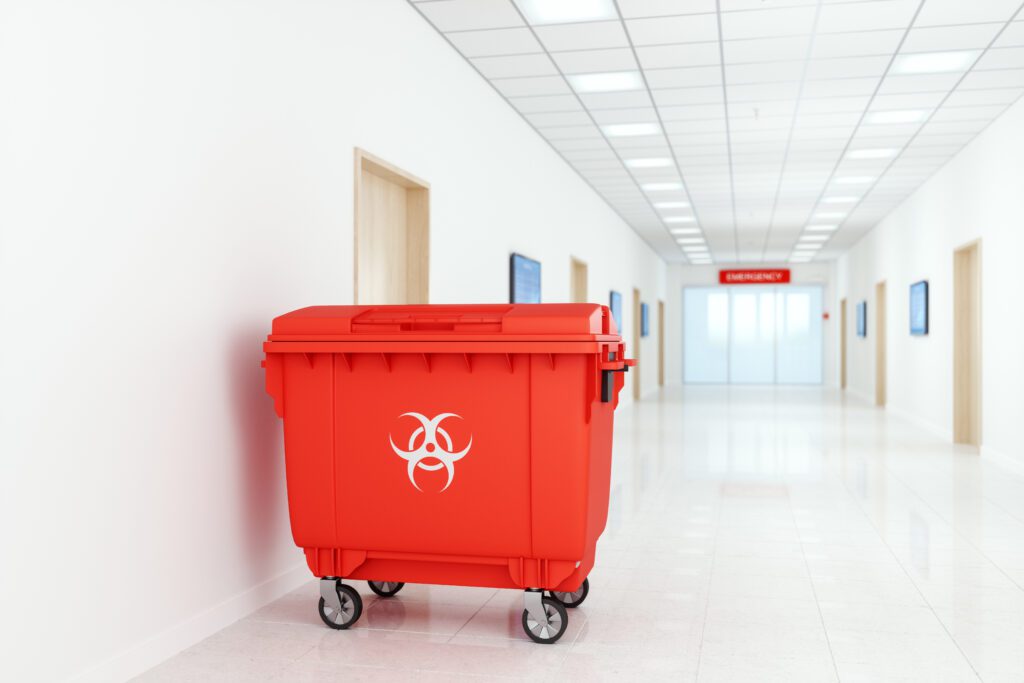
Hospital waste disposal is a highly regulated, carefully structured process designed to protect patients, staff, the public, and the environment. From the moment waste is generated in a patient room or operating suite to its final treatment and destruction, hospitals must follow strict procedures to ensure safety and compliance.
If you’ve ever wondered how medical waste is disposed of, where medical waste goes after it leaves a hospital, or what happens to medical garbage once it’s picked up, this guide explains the full process in clear, practical terms.
What is included in Hospital Waste?
Before understanding hospital waste disposal, it’s important to define the different types of waste generated in healthcare facilities. Hospitals produce far more than just “medical garbage.” Waste typically falls into several categories:
1. General (Non-Regulated) Waste & Recycling
This includes materials similar to household trash — paper packaging, food waste, and other non-contaminated items. This waste does not pose a biological or chemical risk and is usually handled through standard municipal waste systems.
Recycling in hospitals typically includes cardboard, paper, plastic containers, cans and bottles.
2. Regulated Medical Waste (RMW)
Also referred to as clinical waste, biohazard waste, or infectious waste, this category includes materials contaminated with blood or other potentially infectious materials (OPIM). Examples include:
- Blood-soaked gauze
- Surgical gloves
- Isolation waste
- Microbiological cultures
Because of the risk of disease transmission, this waste requires specialized handling and treatment.
3. Sharps Waste
Sharps waste includes needles, syringes, scalpels, lancets, and other items capable of puncturing skin. These materials are placed in rigid, puncture-resistant containers and handled separately to prevent injury and contamination.
4. Pathological Waste
This is a type of Regulated Medical Waste (RMW) which includes human tissues, organs, and body parts removed during surgery or autopsy. Pathological waste requires specific treatment methods due to its sensitive and potentially infectious nature.
5. Trace Chemotherapy Waste
Trace chemotherapy waste includes empty vials, syringes, gloves, and IV tubing that have come into contact with chemotherapy drugs. Because these drugs can be toxic, disposal is tightly controlled.
6. Pharmaceutical Waste
Expired, unused, contaminated, or partially used medications fall into this category. Certain pharmaceutical waste may be regulated as hazardous waste under the Resource Conservation and Recovery Act (RCRA).
6. Hazardous Waste
Waste under the Resource Conservation and Recovery Act (RCRA). Typically includes chemicals and solutions from on site laboratories and various solvents and fluids from maintenance or facilities.
Step 1: Hospital Waste Segregation at the Point of Generation
The foundation of effective hospital waste disposal is proper segregation.
Waste segregation happens at the point of generation — meaning in the patient room, operating room, laboratory, or pharmacy where the waste is created. Staff are trained to immediately place waste into color-coded and clearly labeled containers.
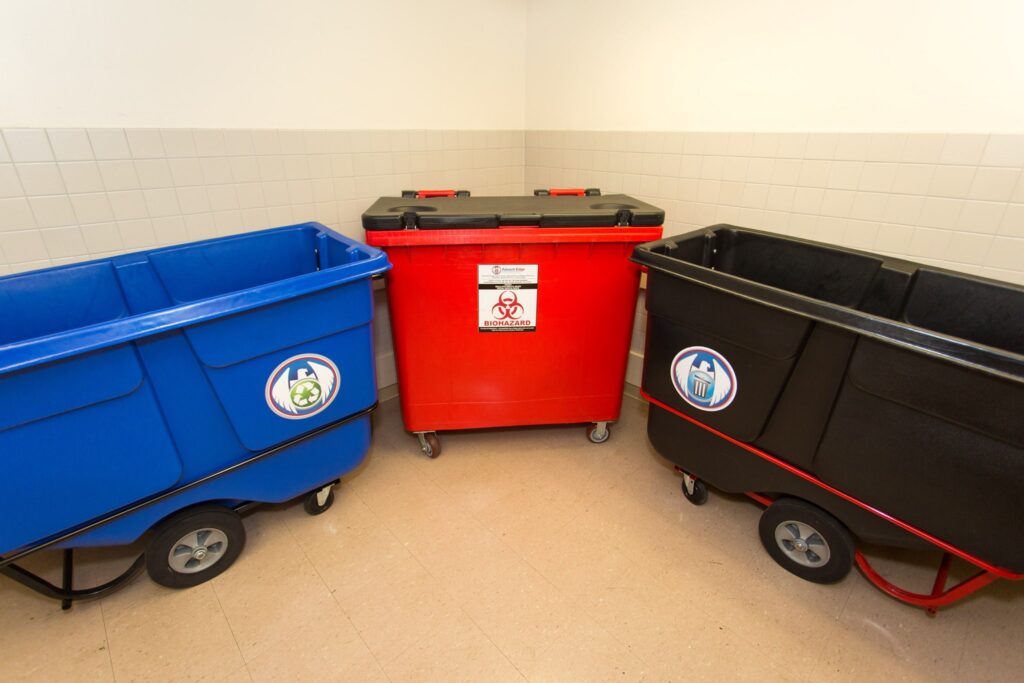
Examples include:
- Red bags for infectious or biohazard waste
- Yellow containers for trace chemotherapy waste
- Sharps containers for needles and scalpels
- Black containers for hazardous pharmaceutical waste
- Blue containers for non-hazardous pharmaceutical waste
- Carboys or Drums for RCRA hazardous waste
- Regular trash bins for non-regulated waste
- Recycling bins for cardboard, paper, cans and bottles
Proper segregation reduces risk, lowers disposal costs, and ensures compliance with federal and state regulations. Mixing regulated waste with general waste can increase disposal expenses and create compliance issues.
Step 2: Internal Collection and Storage
Once waste is properly segregated, trained staff collect it and transport it to designated storage areas within the hospital.
These storage areas must meet regulatory requirements, including:
- Secure access
- Leak-proof flooring
- Proper ventilation
- Clearly labeled biohazard and or hazardous waste signage
Waste cannot be stored indefinitely. State and federal regulations often limit how long infectious waste and hazardous waste may remain on-site before treatment or removal.
Step 3: Medical Waste Treatment Options — On-Site vs. Off-Site
After collection and storage, hospital waste disposal moves into the treatment phase. Hospitals generally use one of two approaches: on-site treatment or off-site treatment through a licensed medical waste disposal provider.
On-Site Treatment
Some larger hospitals invest in on-site treatment equipment such as:
- Autoclaves (steam sterilization units)
- Microwave treatment systems
- Chemical disinfection systems
- Ozone treatment systems
Autoclaving uses high-pressure steam to kill pathogens, rendering infectious waste non-hazardous. After treatment, the waste may be shredded and disposed of in a landfill as regular solid waste, depending on state rules.
On-site treatment provides more control but requires significant capital investment, ongoing maintenance, staff training, and strict documentation.
Off-Site Treatment
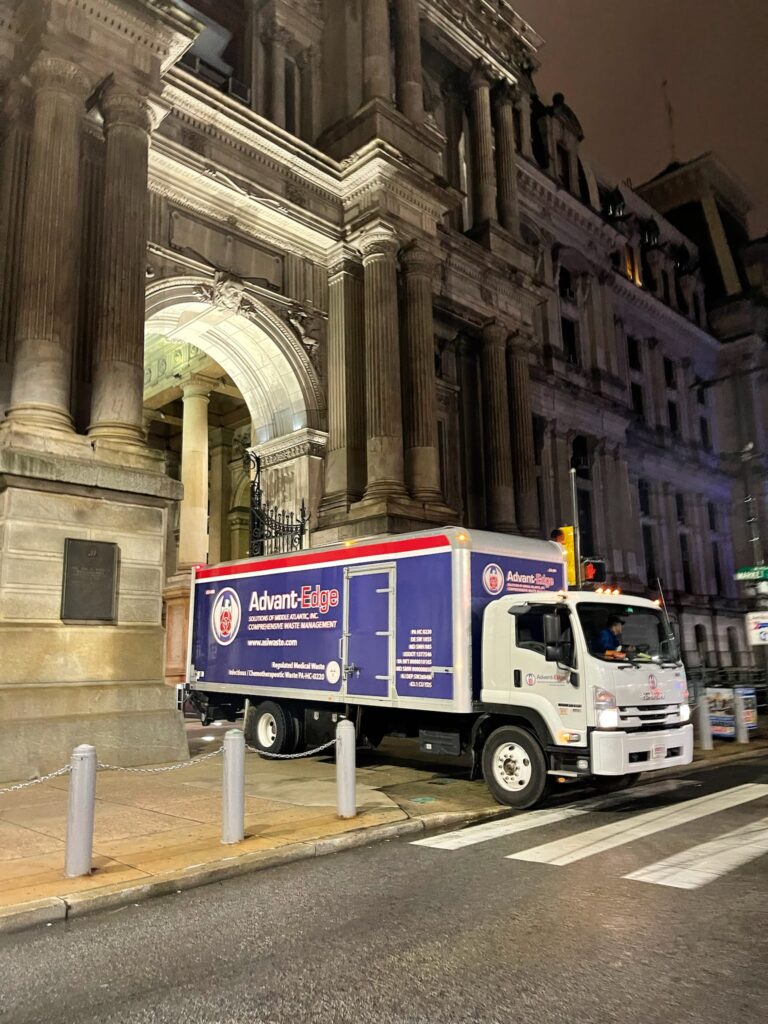
Many hospitals partner with licensed medical waste disposal companies for off-site treatment. In this model:
- Waste is collected by trained, DOT-compliant drivers.
- It is transported in specially permitted vehicles.
- It is treated at a regulated treatment facility.
Treatment methods at these facilities may include:
- Autoclaving
- Ozone treatment
- Incineration (common for pathological waste and certain pharmaceuticals)
- Chemical treatment
- Alternative treatment technologies approved by state regulators
Off-site treatment simplifies hospital operations and ensures cradle-to-grave compliance through a documented chain of custody.
Step 4: Final Disposal — Where Does Medical Waste Go?
After treatment, what happens to medical waste?
That depends on the waste type and treatment method:
- Autoclaved waste may be disposed of in sanitary landfills or taken to waste to energy facilities
- Ozone waste if rendered unrecognizable and can be taken to either a sanitary landfill or waste to energy facility.
- Incinerated waste is reduced to ash, which is disposed of in regulated landfills.
- Hazardous pharmaceutical waste is managed according to RCRA requirements.
- Certain chemical wastes may go to hazardous waste treatment facilities.
The key principle governing hospital waste disposal in the U.S. is cradle-to-grave responsibility. This concept, established under the Resource Conservation and Recovery Act (RCRA), means the waste generator (the hospital) remains legally responsible for the waste from the moment it is created until final destruction.
Federal and State Regulations Governing Hospital Waste Disposal
Hospital waste disposal is regulated at multiple levels:
Federal Oversight
- EPA (Environmental Protection Agency) – Oversees hazardous waste under RCRA.
- OSHA (Occupational Safety and Health Administration) – Regulates worker protection under the Bloodborne Pathogens Standard.
- DOT (Department of Transportation) – Regulates the transport of infectious waste.
State Regulations
States often have additional rules regarding:
- Waste storage time limits
- Treatment approval requirements
- Tracking documentation
- Incineration standards
Hospitals must comply with both federal and state laws, making proper documentation and vendor selection critical.
Best Practices for Effective Hospital Waste Disposal
Hospitals follow several best practices to ensure safe and compliant disposal of waste in hospital settings:
Ongoing Staff Training
Healthcare workers must be trained regularly on waste segregation, container usage, labeling requirements, and spill response procedures.
Clear Labeling and Signage
All containers must be clearly marked to avoid cross-contamination.
Secure Transportation
Licensed medical waste transporters follow DOT regulations and use manifest tracking systems.
Documentation and Recordkeeping
Hospitals maintain manifests and disposal records to demonstrate cradle-to-grave compliance.
Partnering with a Reliable Disposal Provider
Choosing an experienced medical waste disposal partner like Advant-Edge Solutions of Middle Atlantic, Inc. reduces risk and ensures regulatory alignment.
Why Proper Hospital Waste Disposal Matters
Improper hospital waste disposal can lead to:
- Infection risks
- Environmental contamination
- OSHA violations
- EPA fines
- Damage to public trust
Healthcare facilities generate a wide range of waste types — from infectious waste and pathological waste to sharps waste and pharmaceutical waste — each requiring specific handling protocols. Understanding how medical waste is disposed of and where medical waste goes ensures patient safety, worker protection, and environmental responsibility.
Need a Reliable Hospital Waste Disposal Company?
Managing hospital waste disposal is complex, but you don’t have to handle it alone. Whether you need support with regulated medical waste, sharps waste, pharmaceutical waste, or trace chemotherapy waste, our experienced team provides compliant, cradle-to-grave solutions tailored to your facility.
Contact us today to learn how we can help streamline your hospital waste disposal program and ensure full regulatory compliance.