
Laboratory Waste Management: Closing the Gaps Between Compliance and Efficiency
Laboratories within healthcare systems, research environments, and clinical settings generate a wide range of waste streams, including regulated medical waste, chemical waste, and pharmaceutical waste. Effective laboratory waste management requires more than just compliance—it requires coordination, training, and continuous oversight.
Inconsistencies in Lab Waste Management Practices
One of the most common challenges in laboratory environments is inconsistency in lab waste management practices. Different departments may follow slightly different procedures, leading to confusion, improper segregation, and increased disposal costs. Establishing standardized protocols across all laboratory areas is essential to maintaining both compliance and efficiency in laboratory waste disposal.
Proper Identification in Waste Management in Laboratory Settings
Proper waste identification is the foundation of effective waste management in laboratory environments. Materials must be accurately characterized to determine whether they fall under regulated medical waste, hazardous waste, or non-hazardous waste categories. Misclassification can lead to regulatory issues and unnecessary treatment costs in laboratory waste disposal processes.
Key Regulations Governing Laboratory Waste Management
Effective laboratory waste management requires compliance with several key regulatory agencies. The U.S. Environmental Protection Agency (EPA), under the Resource Conservation and Recovery Act (RCRA), establishes guidelines for hazardous waste identification, storage, and disposal. There are additional regulations for eligible academic laboratories. The Occupational Safety and Health Administration (OSHA) sets standards to protect workers handling lab waste and hospital waste. Additional oversight may come from agencies such as the Centers for Disease Control and Prevention (CDC), which provides guidance on biohazard safety, and the Drug Enforcement Administration (DEA), which governs the disposal of controlled substances.
Aligning with these regulations ensures that laboratory waste disposal practices remain safe, compliant, and efficient.
Storage and Compliance in Waste Disposal in Laboratory Environments
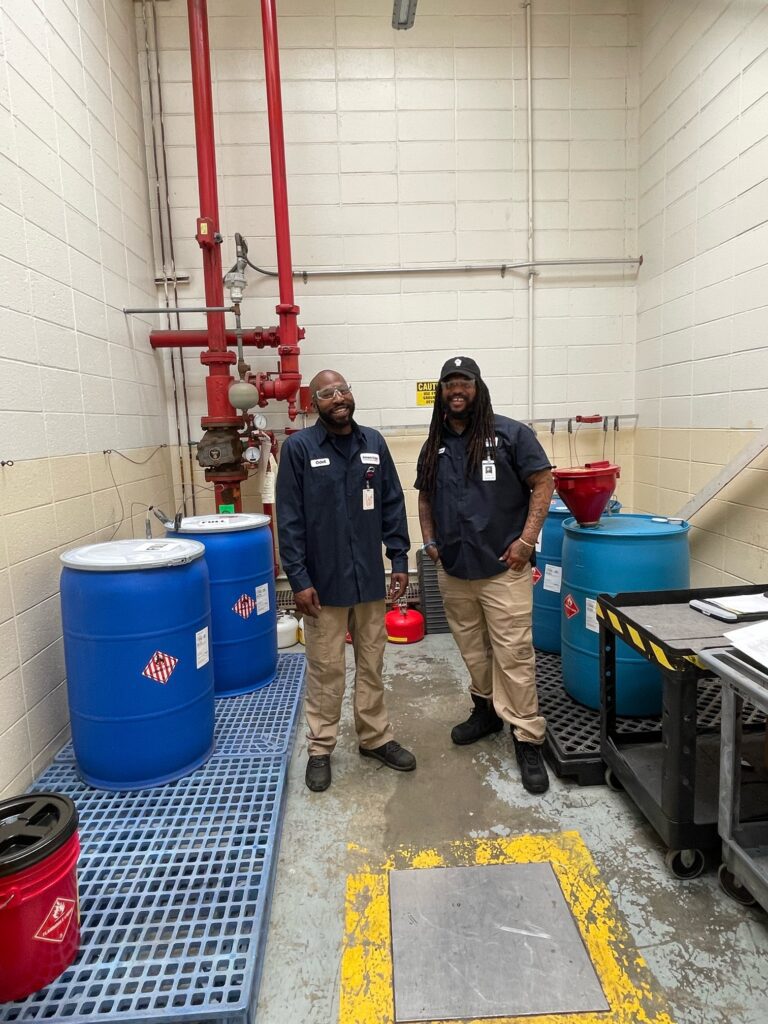
Storage and accumulation practices are important in waste disposal in laboratory settings. Laboratories must adhere to satellite accumulation area requirements, labeling standards, and storage time limits, particularly for hazardous waste. Regular inspections and staff training help ensure that these requirements are consistently met during handling, including during lab waste disposal processes.
Transportation and Laboratory Waste Disposal Requirements
Transportation and laboratory waste disposal also require careful coordination. Waste must be packaged, labeled, and documented in accordance with applicable regulations, including U.S. Department of Transportation (DOT) requirements for hazardous materials. Facilities should ensure that all personnel involved in preparing waste for transport receive proper training and understand their responsibilities in lab waste management.
The Need for Efficiency in Laboratory Waste Management
Across New Jersey, Pennsylvania, Delaware, Maryland, Washington, DC, and Virginia, laboratory operations are often spread across multiple campuses and satellite locations. This creates additional complexity in maintaining consistent laboratory waste management practices and regulatory compliance. Standardization and centralized oversight become critical in these environments, especially when coordinating laboratory waste disposal services.
Beyond compliance, there is a growing opportunity for laboratories to improve efficiency through waste minimization strategies. Streamlining processes, improving segregation, and identifying opportunities to reduce waste generation can lead to measurable cost savings while maintaining regulatory standards in waste disposal in medical laboratory operations.
Supporting Laboratory Waste Disposal Services in the Mid-Atlantic
Advant-Edge Solutions of Middle Atlantic, Inc. works with healthcare and laboratory environments throughout the Mid-Atlantic region to develop comprehensive laboratory waste management programs that bridge the gap between compliance and operational efficiency. Through standardized processes, training support, and ongoing program evaluation, ASMAI helps facilities maintain control of their waste streams while improving overall performance and optimizing laboratory waste disposal.
Take control of your laboratory waste management program today. Request a free quote and start improving compliance, reducing costs, and simplifying your lab waste disposal processes.