Improving Efficiency, Safety, and Sustainability Through Waste Program Optimization
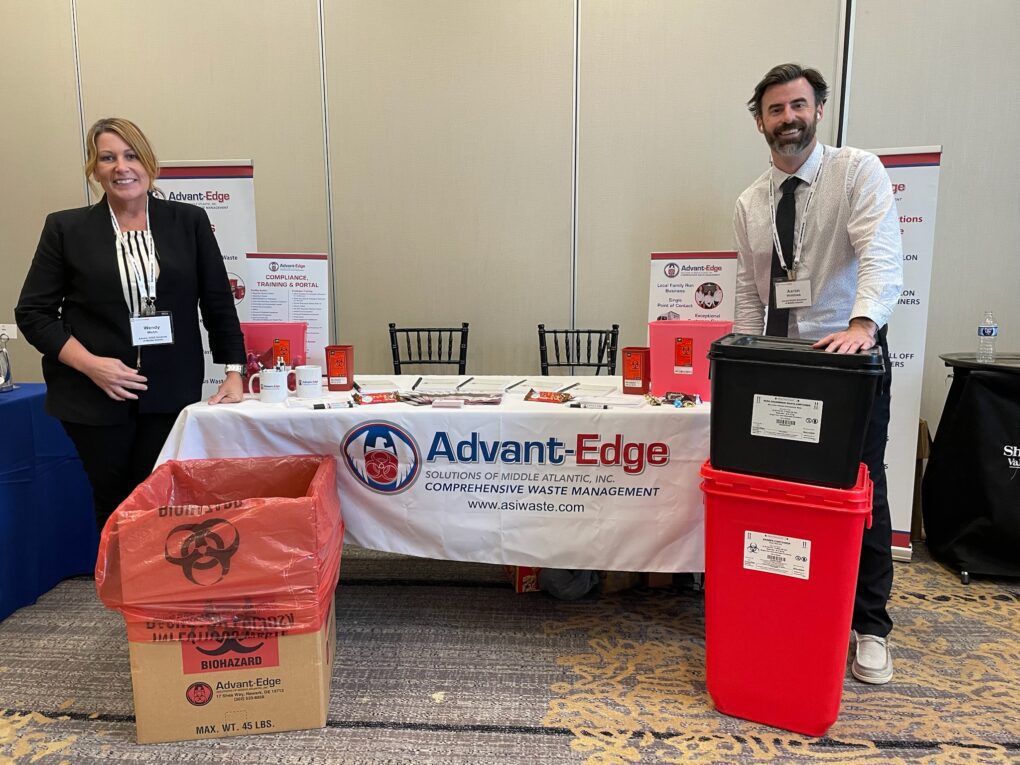
For healthcare organizations, waste management extends far beyond collection and disposal. A well-designed waste program can improve operational efficiency, reduce unnecessary costs, strengthen compliance, enhance workplace safety, and support long-term sustainability goals.
When one healthcare provider sought to gain greater control over its waste streams and improve overall program performance, it partnered with Advant-Edge Solutions of Middle Atlantic, Inc. (ASMAI) to conduct a comprehensive waste tracking and operational improvement initiative.
The result was a more efficient, data-driven waste management program that delivered measurable improvements across multiple areas of the organization.
The Challenge
Like many healthcare facilities, the organization was managing a variety of waste streams across its operations, including municipal solid waste, recyclables, and pharmaceutical waste.
While existing processes were functional, leadership recognized opportunities to:
- Improve operational efficiency
- Increase visibility into waste stream performance
- Strengthen employee safety
- Enhance regulatory compliance
- Expand sustainability initiatives
- Reduce unnecessary waste handling and service costs
To achieve these goals, the organization needed a partner capable of providing both strategic guidance and ongoing operational support.
The ASMAI Approach
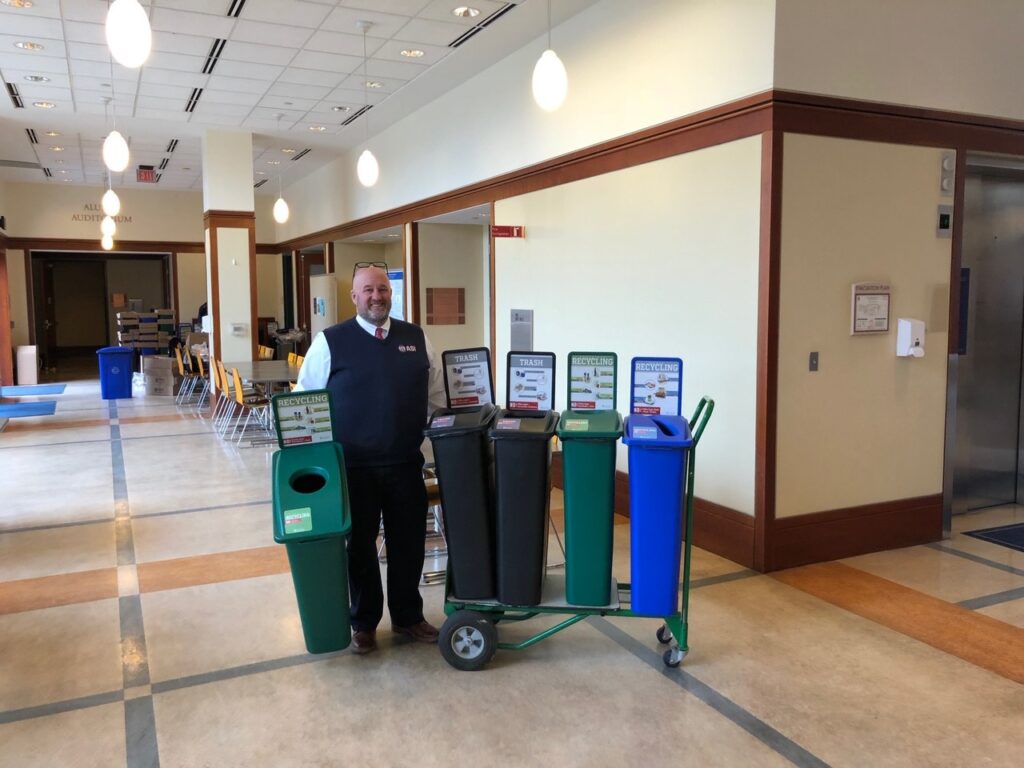
ASMAI conducted a detailed review of the facility’s waste management operations, utilizing waste tracking data and program analysis to identify opportunities for optimization.
The assessment focused on:
- Service utilization patterns
- Waste stream segregation practices
- Recycling performance
- Employee training and compliance programs
- Waste handling procedures
- Sustainability opportunities
- Enterprise-wide waste visibility and reporting
By evaluating each component of the waste program, ASMAI was able to develop targeted recommendations designed to improve performance while supporting the organization’s broader operational goals.
Key Program Improvements
Reduced Solid Waste Service Frequency
Through a detailed review of waste generation patterns, ASMAI identified opportunities to optimize collection schedules and reduce unnecessary service activity.
By aligning service frequency with actual waste volumes, the organization improved efficiency while maintaining operational reliability.
Improved Recycling Efficiency
The program evaluation uncovered opportunities to strengthen recycling efforts through improved segregation practices, education, and process improvements.
These changes helped divert more materials from disposal while supporting the organization’s environmental objectives.
Enhanced Pharmaceutical Waste Segregation
Proper segregation of pharmaceutical waste is critical for compliance, safety, and cost control.
ASMAI worked closely with facility teams to improve waste stream separation practices, helping ensure materials were directed to the appropriate disposal pathways and reducing the risk of contamination.
Increased Safety and Reduced Waste Handling
Operational changes were implemented to streamline waste handling processes and minimize unnecessary employee interaction with waste materials.
These improvements helped create a safer work environment while reducing operational inefficiencies.
Strengthened Compliance and Training
Employee education plays a critical role in successful waste management programs.
ASMAI supported the organization through training initiatives and compliance-focused program enhancements designed to improve consistency and reduce regulatory risk.
Enterprise Waste Stream Visibility
One of the most impactful outcomes of the project was improved visibility into waste generation and management activities across the organization.
Enhanced reporting and tracking capabilities allowed leadership to better understand:
- Waste generation trends
- Service utilization
- Recycling performance
- Compliance metrics
- Operational opportunities
This data-driven approach empowers decision-makers to make informed adjustments and continuously improve program performance.
Sustainability Program Development
As sustainability continues to be a growing priority for healthcare organizations, ASMAI helped the customer identify opportunities to strengthen environmental initiatives while maintaining operational and financial objectives.
The result was a more structured approach to sustainability that aligned waste management practices with broader organizational goals.
The Value of Data-Driven Waste Management
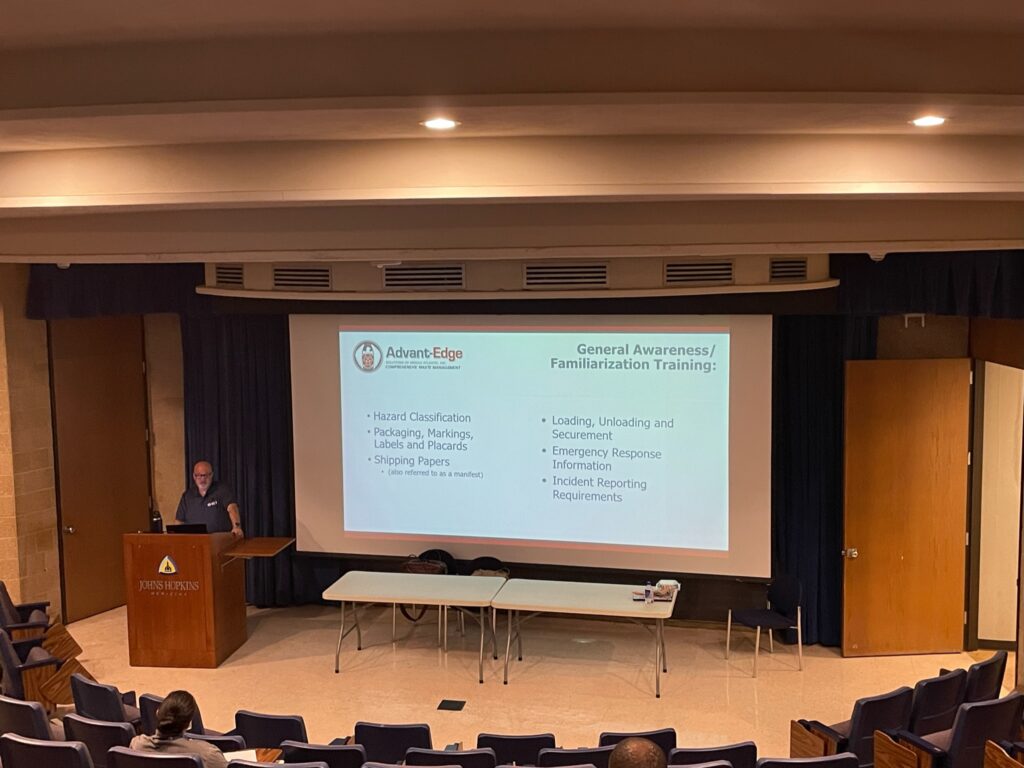
Many healthcare organizations focus solely on waste removal, but the greatest opportunities often come from understanding how waste is generated, handled, tracked, and managed throughout the organization.
When waste programs are supported by accurate data and ongoing operational oversight, organizations can:
- Improve efficiency
- Reduce unnecessary costs
- Enhance employee safety
- Strengthen compliance
- Increase recycling performance
- Support sustainability initiatives
- Gain greater operational visibility
Partner with ASMAI
At ASMAI, we help healthcare organizations transform waste management from a routine service into a strategic advantage. Through comprehensive waste tracking, operational analysis, compliance support, and continuous improvement initiatives, we help customers build safer, more efficient, and more sustainable waste programs.
Whether your goal is cost reduction, improved compliance, enhanced sustainability, or greater operational visibility, our team is ready to help identify opportunities within your organization.
Contact ASMAI today to learn how a data-driven approach to waste management can improve performance across your entire operation.